
'/%3E%3C/svg%3E)

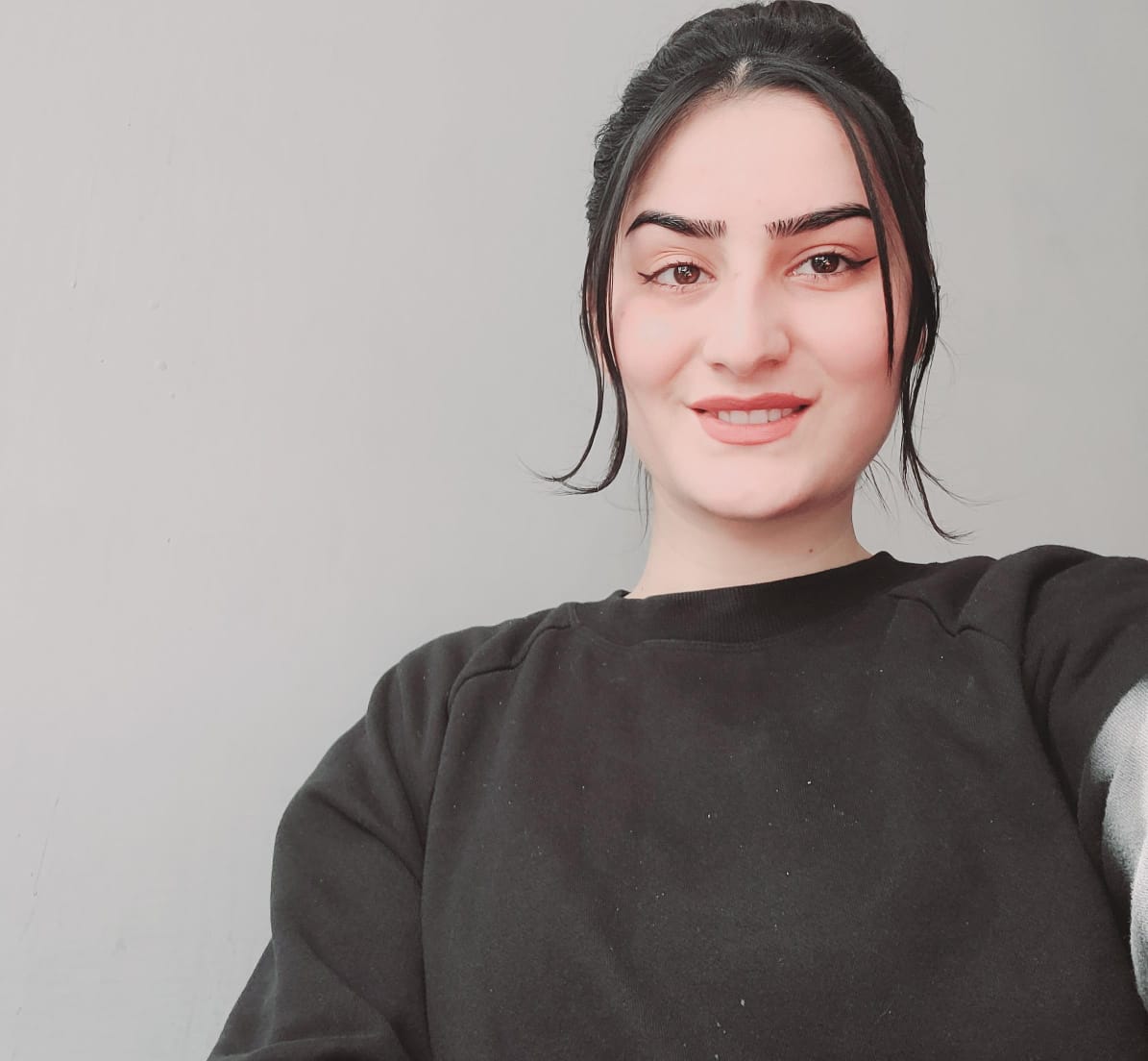
Shakiba Hamid
Sayed, tonight I am writing about you again; even though in a land where love is denied, writing itself is a crime.
The first time I heard your name was from your sister. It was a rainy day — one of those days when the sound of rain becomes one with the sound of the heart. She spoke of you slowly and calmly, of a man who preferred silence over words, of a gaze in which years of sorrow had made a home. Rain struck the window, and between every word she said, I saw a face I did not yet know. From that day, your name stayed in my mind like the rain. Later I realized that our meeting was not destiny — it was more like an accident. A girl who fell in love with you without ever seeing you. There was no plan, only moments and coincidences that tied our paths together.
The first time I saw you was on a cold, rainy day in the hospital corridor. The smell of dampness and medicine filled the air. Your father lay in bed, and your hand rested on his shoulder. Sometimes you nodded, carrying a silent grief and a deep pain in your eyes. It was still raining that day, and the drops slid down the glass like the heartbeat of a small creature. I watched you from afar. It was one of those moments when you realize that even the smallest thing can be the beginning of something immense. In the silence of that moment, the stories your sister had told me suddenly made sense. I understood that love can begin before meeting — but it is the meeting that makes it real.
Perhaps our love was born right there in that cold hospital corridor, among the smell of medicine and the sound of your father’s breathing. I still remember the trembling of your hands as you straightened the blanket. I watched you from afar. Your eyes held a feeling that could not simply be called sorrow — it was like a silent plea to the world. And then, for a moment, your eyes met mine, and all the noise inside me went quiet. From that moment, nothing inside me remained the same.
Slowly, our meetings continued — hidden and secret, in moments no one knew about. When I returned from work, we had a path and a place where we could see each other, even if briefly. Sometimes the smell of fresh bread drifted from the alley, and we stood beside that old wall. We didn’t even look at each other directly, but the shadow of our feet on the dust was enough. Sometimes early in the morning, when everyone was still asleep, we walked through the alleys and spoke of our future and our dreams. In the heart of these harsh Taliban restrictions, in the fear and pressure of society, our love grew quietly and silently.
Then came Mullah Hibatullah’s new decree on August 30:
Romantic poetry is forbidden.
It spread everywhere — in the alleys, in bookstores, even in people’s whispers.
Sayed, how can a decree stop a heart from loving? How can eyes refuse to shine when they meet the eyes of the beloved? Can anyone forbid snow from falling on the mountains, or stop a river from flowing?
It was still raining, and autumn’s wet brown leaves covered the sidewalks when we hid inside that small bookstore by the alley. The shelves were full of poetry books and scribbled notebooks. No one was there except us. The man behind the counter, with his gray beard and calm eyes, flipped through books slowly. I felt something in his gaze — as if his silence was a shelter for us. We read poems quietly. Sometimes you placed your hand on a page; sometimes you whispered something only you understood. He remained silent, with a faint smile, letting our small moments live gently among the words, the rain, and the autumn.
But the notebooks where young people wrote the names of their beloveds had now become forbidden. Even whispering a single verse could bring danger.
But is the heart bound by orders and decrees? They say: Do not love. Do not read poetry. Do not speak the name of your beloved.
Today, many are like you and me — two lovers separated, living in silence and waiting. Words are our only refuge, our shared language and emotion.
Far away, my heart is with you. You are in Badakhshan, among the always cold mountains with their snowy peaks.
I imagine you: early morning, going to work, your breath turning to mist in the cold, your hands trembling, yet you never put down the weight of our shared dreams. Every drop of sweat on your forehead is a brick in the home we hope to build. Every stone you lift, every load you carry, is for a future where you and I will be together.
And I, here in this suffocating city, restless and waiting, look at the sky — the same moon that shines over the mountains of Badakhshan. This small connection comforts me; at least no one can decree that the sky be divided between men and women.
I close my eyes and see you: your tall figure, your golden hair shining in the sun, your always calm gaze.
So how can I obey this decree when my life beats with your memory? How can I not write about you, not keep your presence alive in the pages of my notebook? Even though a quiet fear whispers in the corner of my mind — what if someone finds out? — I continue. Because if I don’t write, I will die.
Sayed, my dearest, outside the small circle of our love, the world is cold and merciless. The Taliban want to forbid not only poetry, but love itself — to cage hearts. Society, echoing them, calls love improper, an unforgivable sin. If a girl writes about her beloved, or a boy whispers a verse in the alley, they must feel ashamed. More painful than the Taliban’s decree is this cruelty of society. How hard it is when love becomes a crime and hatred becomes a reward.
I remembered Hangama’s love story. A few days ago, I was invited to her wedding.
Only a few people had gathered. No bright clothes, only deep frowns. It didn’t look like a celebration at all. My heart trembled — two lovers finally together, yet everything so silent and empty? Hangama’s face was like a cloudy sky — dim and tired. Though she wore a wedding dress, there was no sign of joy.
I quietly asked, “Hangama, is this a wedding or a funeral? Why is everything so heavy and cold?”
Suddenly her tears fell endlessly, like the relentless rains of Charikar that wash everything away. She cried in my arms and said:
“They forced me to marry another man.”
Her trembling voice was like glass shattering — reflecting the breaking of her hopes, her dreams, her tomorrows.
But Sayed, my light, Hangama’s story is not the only one. This land has swallowed many boys and girls who gave their hearts simply because they loved. Those who, in silence and under merciless restrictions, only wanted to love. Now, when the authorities walk through the alleys, the sound of their footsteps is louder than my breath. I don’t even whisper your name in my heart out of fear. These stories knot together and tighten around my throat. I ask you: If love is a crime, where does beauty live? If love is a sin, what meaning remains for freedom and peace?
Sayed, the beauty of my life,
Despite all this hardship, I still have hope. Hope for the day we escape this winter. The day these decrees become nothing but scraps of paper, and we walk together in the light of open fields.
I know the path is hard, the mountains high, the winters cold — but nothing is stronger than our love.
Even if they burn the poems, their ashes will settle on our shoulders like a kiss from the future. And I believe that one day, in the embrace of freedom, without fear of any decree, we will live in love again. Until that day, every beat of my heart repeats your name.
Yours, Shakiba
No comment